

 Current position > News detail
『Headland Flow Meter: Hydraulic System Digital In-line Testers』Related information(clamp on meter|electromagnetic meter|venturi meterrotameter|orifice meter|ultrasonic flow meter|mass flow meter|coriolis mass flow meter|coriolis flow meter|magnetic flow meter|magmeter flow meter|magflow flow meter|mag meter flow meter|electromagnetic flow meter|vortex flow meter|turbine flow meter|thermal mass flow meter|thermal flow meter|rotameter flow meter)

Headland Flow Meter: Hydraulic System Digital In-line Tester for On‑Site Diagnostics
Quick Answer: The Headland digital in‑line tester measures flow, pressure, temperature and speed directly in hydraulic circuits without disconnecting hoses. It cuts troubleshooting time on marine winches, drill rigs and injection moulding machines from hours to minutes. Silver Automation Instruments supplies these testers calibrated for oil, water‑glycol and biodegradable fluids across Southeast Asia, Oceania and the Middle East.
Why a Hydraulic In‑line Tester Replaces Guesswork
Hydraulic system faults often hide in plain sight. A pump wears out slowly. A relief valve creeps higher. A charge filter clogs and nobody notices until the motor stalls. Most field technicians still rely on pressure gauges and infrared guns. Those tools tell only part of the story. The Headland test kit turns a fluid power circuit into a transparent loop. You see real‑time digital readings for flow rate, line pressure, oil temperature and shaft speed on one screen. That means you can pinpoint whether a problem is inside the pump, inside the motor or tucked away in a valve bank. No stripping, no spilling and no sending components to a test bench on the other side of town.
What You Actually Measure With the Headland Tester
The turbine flow sensor sits between two quick couplings so you insert it directly into the line. Standard kits cover DN10 up to DN40 hoses but larger quick‑coupler sets let you go as far as DN80. Flow ranges start at 1 L/min and climb to 600 L/min for most mobile and industrial circuits. The companion handheld display logs peak values, holds readings and switches between L/min, US GPM and Imperial GPM.
Pressure is measured simultaneously through a built‑in transducer rated for 420 bar. Temperature is captured at the turbine housing with a PT100 sensor up to 120 °C. The optional optical or hall‑effect tachometer tracks shaft speed from 5 rpm to 99 999 rpm. All data refreshes every 0.5 seconds. One oil spill you avoid pays for the sensor cable.
Typical Applications in the Real World
We see these testers in more places than you would expect. A hydraulic repair shop in Surabaya uses the Headland kit to certify rebuilt piston pumps before the customer arrives. An offshore service vessel operator in Perth carries one on board to diagnose deck crane issues mid‑voyage. A sugar mill in Thailand checks press roller drives once a week to catch leaks early during the crush season. The common thread is simple: if the machine stops, money stops. The Headland tester brings the test bench to the machine, not the other way around.
Common Fluids the Sensor Handles Without Damage
The standard turbine block works with mineral hydraulic oils from ISO VG 15 to VG 100. The same sensor handles synthetic esters, water‑glycol and HFD‑U fluids if you flush it after use. Diesel and light fuel oil are fine for short runs but do not leave the head full of fuel overnight. For water‑based fluids we recommend the stainless‑steel bearing option, which we keep in stock for customers operating near seawater or in ATEX Zone 2 environments. Ask about the ATEX‑certified sensor kit if your site demands it.
Field‑Proven Accuracy and Repeatability
The Headland portable tester holds ±1 % of full‑scale accuracy on flow and ±0.5 % on pressure when factory‑calibrated. You can expect better than ±2 % in field conditions if you avoid entrained air and keep the oil temperature stable for a few seconds during recording. Most engineers skip the calibration check for the first year. In practice you will coat the turbine with varnish from hot oil. Plan a clean‑and‑check every six months if you measure above 90 °C routinely.
How the Kit Arrives and What You Unbox
A standard Headland test kit includes the turbine flow block with integrated temperature sensor, one digi
Installing the Tester in Less Than Three Minutes
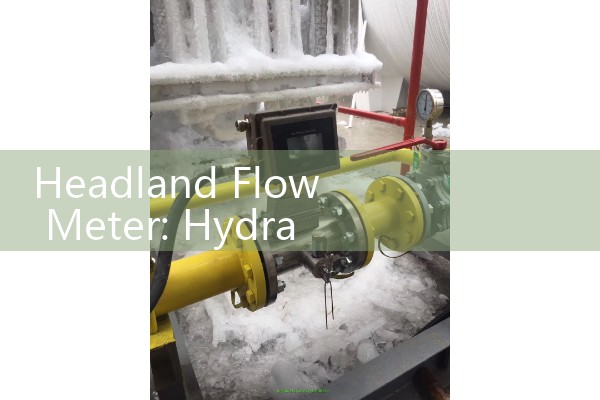
Most operators connect the sensor between the pump outlet and the directional valve. You crack one fitting, plug the tee adapter in and hand‑tighten both swivel nuts. Avoid deadheading the pump. Always start with the display set to pressure monitoring before you stroke the valve. Here is a detail the manual skips: if you hear a squeal from the turbine the moment flow hits, you have air trapped. Crack a downstream breather for ten seconds and the reading stabilises.
Digital Outputs and Data Logging You Actually Use
The handheld reads flow, pressure and temperature simultaneously and transmits data over a 4‑20 mA loop or a Bluetooth dongle added later. Plant managers in the Philippines and Ghana often run the Bluetooth signal into an Android tablet running our free logging app. The app overlays flow and pressure curves and exports CSV files for email. That CSV file goes straight to the maintenance report without retyping numbers. For continuous monitoring we can supply a DIN‑rail transmitter with Modbus RTU output that takes the sensor signal directly into a PLC.
Pricing, Lead Time and What We Need to Quote
The kit cost depends on flow range, coupler type and whether you need ATEX certification. Most standard 1‑to‑150 L/min sets leave our Nanjing warehouse within five working days. High‑end 600 L/min blocks need an extra week because the larger turbine needs dynamic balancing before calibration. Send us your fluid type, maximum operating pressure in bar, normal flow range in L/min, pipe or hose size in DN and the country of use. We reply with a formal quotation the same day.
Silver Automation Instruments contact details:
Email: [email protected]
Tel: +86-135-1213-1526
Whatsapp: 86-135-12131526
WeChat: +86 13512131526
Frequently Asked Questions
Q: Can the Headland tester be left in a working circuit permanently?
A: The standard turbine is designed for temporary insertion up to 48 hours. For permanent installation we recommend a spool‑type in‑line flow meter with no moving parts. The turbine block wears faster when exposed to constant flow and dirty oil.
Q: Does it work with high‑viscosity oils above ISO VG 100?
A: You can measure flow up to roughly 500 cP but the accuracy drops once you exceed the Reynolds number sweet spot of the turbine. For heavy gear oils we switch to a positive displacement sensor instead.
Q: Is the digital display water‑resistant for outdoor use?
A: The display carries an IP54 rating. It handles rain and hose spray but you should not submerge it. We supply a clear silicone boot for sites near monsoons and sea spray.
Q: How do we calibrate the sensor after cleaning?
A: Silver Instruments provides a three‑point calibration service using ISO 17025 traceable master meters. You ship the flow block to our Nanjing lab and we return it with a calibration certificate within seven working days.
Q: What spare parts are critical to keep on the shelf?
A: O‑ring kits for the turbine gland and the coupler seals are the first items to stock. The turbine shaft and carbide bearings last several hundred hours but get scored quickly if you run dirty oil without a 10‑micron filter.