

 Current position > Product detail
『The Comprehensive Buyer Guide For High-Performance Electromagnetic Flow Meter Systems』Related information(clamp on meter|electromagnetic meter|venturi meterrotameter|orifice meter|ultrasonic flow meter|mass flow meter|coriolis mass flow meter|coriolis flow meter|magnetic flow meter|magmeter flow meter|magflow flow meter|mag meter flow meter|electromagnetic flow meter|vortex flow meter|turbine flow meter|thermal mass flow meter|thermal flow meter|rotameter flow meter)
The Comprehensive Buyer Guide For High-Performance Electromagnetic Flow Meter Systems
Quick Answer: High-performance electromagnetic flow meters measure conductive fluids from 0.5 µS/cm to slurries across DN15 to DN3000. Silver Automation Instruments supplies factory-direct magmeters with PTFE, PFA, hard rubber liners, 316L or Hastelloy electrodes, and 4-20 mA HART output. Tell us your pipe size, fluid conductivity, temperature, and flow range to get a specific model and price quote.
What Makes a Magmeter High-Performance?
Standard magmeters handle clean water at room temperature. High-performance units stay accurate when conductivity changes, solids load hits 30 percent, or process temperature reaches 150 °C and pressure 40 bar. Here is the thing. A high-performance device does not just pass more fluid. It gives stable readings when the pump ramps, when the line goes partially empty during cleaning cycles, or when the fluid switches from caustic to acid. Ground ring design, liner lip profile, and the signal processing board all matter. Most engineers skip this part and regret it later.
Liner and Electrode Material Selection
This decision drives lifetime cost. Hard rubber works for wastewater with sand and grit at low price. PTFE liner with Hastelloy C-276 electrodes handles 30 percent nitric acid in a Thai chemical plant. PFA liner meets FDA requirements for a dairy in New Zealand that upgraded from a meter that failed due to product build-up. Electrode material follows the fluid. Use 316L for clean water, titanium or Hastelloy for seawater, and platinum or tantalum for concentrated sulfuric acid. In practice, we have seen a desalination plant in Oman replace 316L electrodes in brine within six months. Titanium cost more upfront but lasts years.
Application Scenarios That Justify High-Performance Models
In oil field water injection, an ATEX Zone 1 magmeter with remote display measures 80 °C brine at 25 bar. It protects reservoir integrity through accurate injection rates. A mining site in Peru uses a DN200 meter with hard rubber liner and tungsten carbide electrodes for 15 percent magnetite slurry. Zero wear after two years. A paint manufacturer in Vietnam needed to meter solvent-based paint with conductivity just above 10 µS/cm. Our high-gain amplifier magmeter now delivers stable 0.5 percent accuracy. They sent fluid conductivity first, so we matched the right model. We apply these lessons daily to avoid guesswork.
Output Signals and Control System Integration
Every Silver Instruments magmeter includes 4-20 mA HART, pulse output, and RS485 Modbus RTU as standard. A HART signal feeds the DCS, pulse handles totalizing in a PLC, and Modbus delivers diagnostics without extra cabling. In the Middle East, many plants use only 4-20 mA and leave Modbus for later, but having it built in adds no cost. For remote water distribution monitoring in Nigeria, our battery-powered magmeter with GSM module sends daily flow totals by SMS. No grid power needed. These s
Installation Rules That Prevent Field Failures
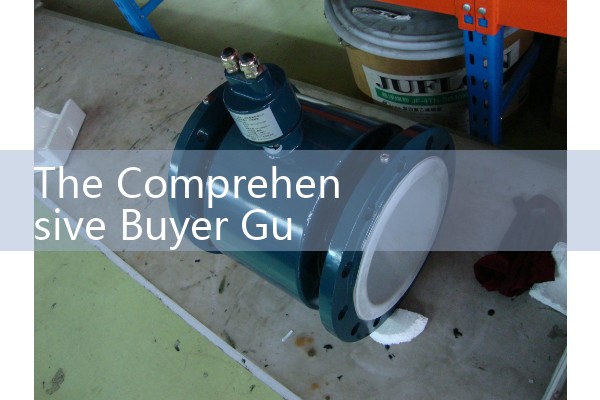
Installers sometimes omit the ground ring, especially with non-metallic pipelines. That leads to drifting signals and false low flows. Always use grounding rings or electrodes with lined or plastic pipe. Keep the meter in a flooded section, not at the high point where gas collects. Follow 5D upstream and 3D downstream straight run requirement. In tight pump stations in Saudi Arabia, a flow conditioner helps when space is short. For vertical runs, flow must go upward to keep the tube full. These simple rules avoid most startup issues we see on customer sites.
Why Buy Factory-Direct from Silver Automation Instruments
When you contact us, our engineers size the meter from your data, assemble it with correct liner and electrodes, calibrate it, and ship to Jakarta, Doha, or Lima within two weeks for standard models. Custom orders take four weeks. No generic distributor between you and the factory. You get test certificates and material traceability. Our customers range from a water EPC in the Philippines to a poultry plant in Brazil and an oil refinery in Bahrain. Send us your pressure (bar), temperature (°C), pipe size (DN), flow range, and fluid name. We respond with the recommended model number, datasheet PDF, and price.
Frequently Asked Questions (FAQ)
1. What minimum conductivity is necessary for a magmeter?
Standard meters need 5 µS/cm. Silver Instruments supplies high-gain versions for down to 0.5 µS/cm, suitable for demineralized water and low-conductivity solvents. Always measure your actual fluid before ordering.
2. Can an electromagnetic flow meter measure diesel or crude oil?
No. Those fluids are non-conductive. Use a Coriolis or oval gear flow meter instead. See our oval gear flow meter for diesel and fuel oil applications.
3. What liner handles high temperatures best?
PTFE works to 120 °C, PFA to 150 °C or beyond with derating. For steam injection, specify PFA with rigid support shell. Hard rubber stops at 80 °C. Provide your continuous and peak temperature when inquiring.
4. Integral or remote display. Which one to choose?
Integral saves cost and is fine for ground-level mild conditions. Pick remote if the meter is in a pit, under direct sun, or in a hazardous zone. Remote cable reaches 100 meters. Many Indonesian wastewater plants use remote to place electronics above flood levels.
5. Does Silver Automation Instruments have ATEX-certified meters?
Yes. We supply explosion-proof enclosures certified for ATEX Zone 1 and Zone 2, plus IECEx. State your zone classification and gas group when you request a quote. We will include the certificate and tag plate information.
Start with your fluid details and installation constraints. We size the correct high-performance electromagnetic flow meter system for your exact conditions, no generic one-size-fits-all.