
 Current position > Product detail
『Knowledge of flow meters』Related information(clamp on meter|electromagnetic meter|venturi meterrotameter|orifice meter|ultrasonic flow meter|mass flow meter|coriolis mass flow meter|coriolis flow meter|magnetic flow meter|magmeter flow meter|magflow flow meter|mag meter flow meter|electromagnetic flow meter|vortex flow meter|turbine flow meter|thermal mass flow meter|thermal flow meter|rotameter flow meter)

What are the types of flow meters?
There are many types of flow meters, and according to the most popular and widely used classification method, they can be mainly divided into the following categories
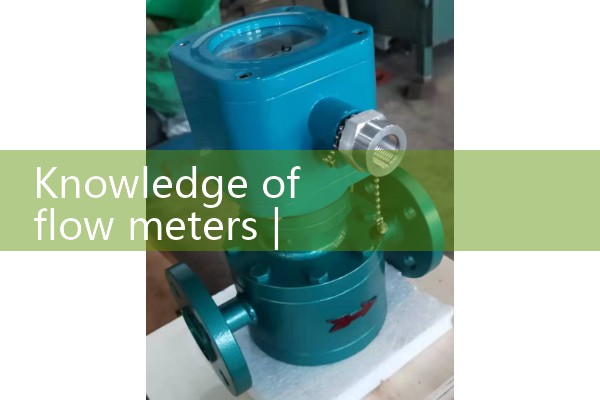
1. The principle of volumetric flow meters is to measure the flow rate by measuring the volume of fluid introduced into the measuring space and calculating the number of rotations.
. Features: The precision of the sperm is high, suitable for measuring viscous liquids. But it will generate irreparable pressure errors and require the installation of moving parts. 2. Differential pressure flowmeter principle: It measures flow rate by using the pressure difference generated when the fluid passes through a throttling device (such as orifice plate, Venturi tube, etc.). Features: Widely applicable, easy to use, no moving parts. But it will result in pressure loss, affecting accuracy, and the accuracy of flow measurement depends on the accuracy of the pressure gauge.3. Principle of float flowmeter: Flow is measured by the buoyancy effect of the fluid on the float.
. Features: Simple structure, intuitive and easy to read, but limited measurement range4. Turbine flowmeter principle: When fluid flows through the turbine flowmeter, the fluid causes the rotor to rotate, and the rotational speed of the rotor is related to the speed of the fluid. Characteristics: It can accurately measure clean liquids and gases, but it can also generate irreversible pressure errors and require moving parts. Principle of electromagnetic flowmeter: Based on Faradays law of electromagnetic induction, the flow rate is measured by measuring the induced potential generated by the movement of fluid in a magnetic field. Fea