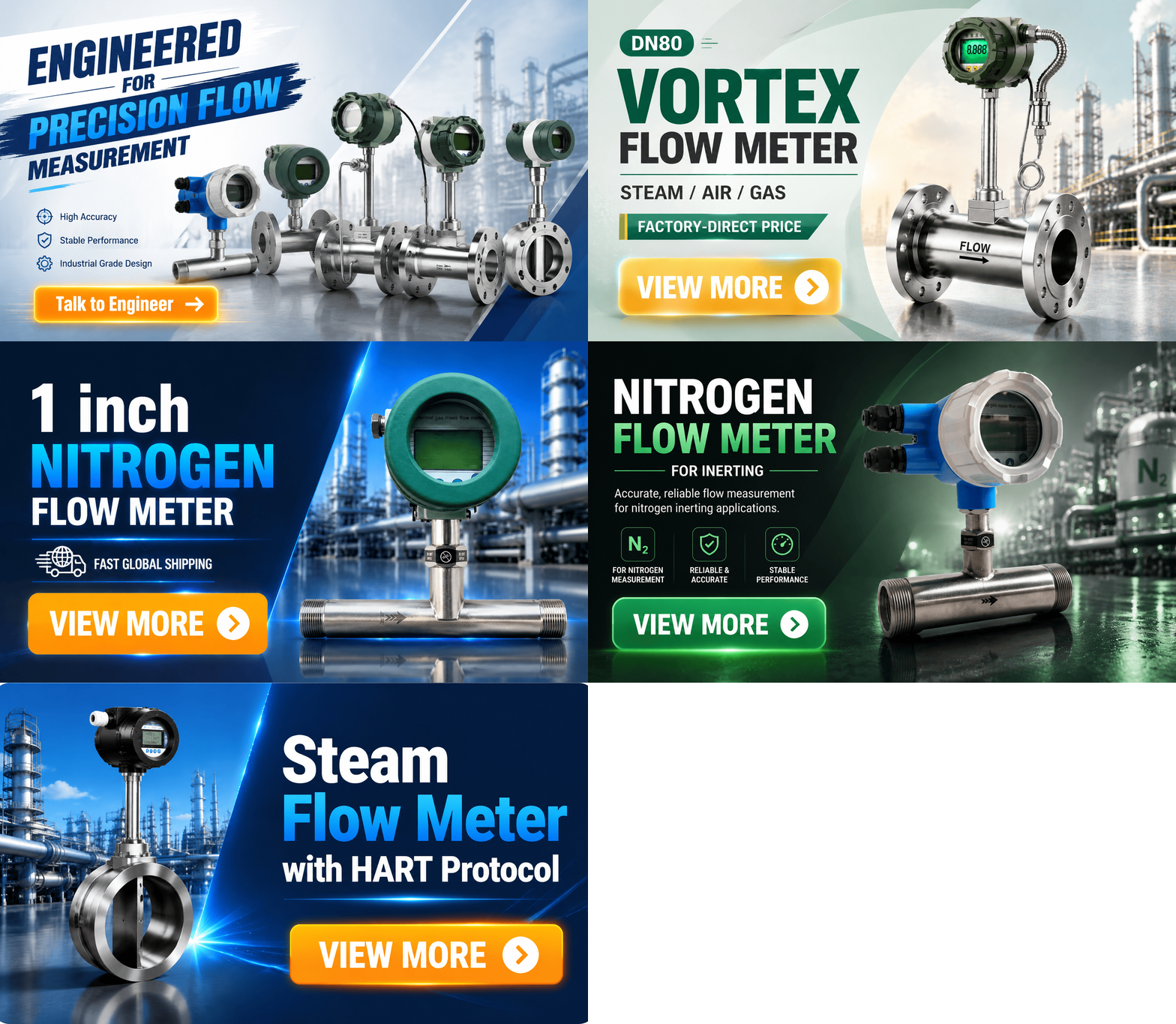


『Top Advantages Of Installing A Magnetic Flow Meter In Water Treatment Plants』Related information(clamp on meter|electromagnetic meter|venturi meterrotameter|orifice meter|ultrasonic flow meter|mass flow meter|coriolis mass flow meter|coriolis flow meter|magnetic flow meter|magmeter flow meter|magflow flow meter|mag meter flow meter|electromagnetic flow meter|vortex flow meter|turbine flow meter|thermal mass flow meter|thermal flow meter|rotameter flow meter)
 ```html
Top Advantages Of Installing A Magnetic Flow Meter In Water Treatment Plants
Quick answer: A magnetic flow meter gives water treatment plants high accuracy, no moving parts, and zero pressure loss. It measures raw water, sludge, and chemicals without drift. For a same-day offer, send your pipe size, flow range, and fluid conductivity.
No Moving Parts and Almost Zero Maintenance
Inside a magnetic flow meter you find a smooth measuring tube and two electrodes. There are no rotors, bearings, or impellers. This simple construction eliminates mechanical wear. A turbine meter in raw water often fails after 8 to 12 months if sand is present. We have seen this on many customer sites. A municipal plant in Northern Vietnam replaced a DN300 turbine meter after the third bearing failure. They installed a Silver Automation Instruments electromagnetic flow meter with rubber liner and 316L electrodes. That meter has run for over three years with no downtime. Water treatment operators value this. No lubrication, no replacement parts, no production stop.
High Accuracy Over a Wide Flow Range
A standard magnetic flow meter delivers ±0.5% of reading from 0.3 m/s to 10 m/s. Some models achieve ±0.2%. This accuracy stays stable because the meter has no mechanical damping. In practice, a coagulant dosing line needs precise low-flow measurement. A DN15 magmeter with PTFE liner and Hastelloy C electrodes measures aluminium sulphate flow at 20 L/h just as accurately as at 200 L/h. The 4-20 mA HART signal feeds directly into the plant SCADA. No linearization headaches. You get repeatable mass balance for chemical consumption tracking.
No Pressure Drop Saves Pumping Energy
A magnetic flow meter is a full-bore device. The flow tube inner diameter matches the pipe ID. This means no obstructions, no venturi sections, no orifices. There is no permanent pressure loss. In a water distribution network, this matters a lot. Imagine a DN800 transmission main. Adding an orifice plate would cost thousands of dollars per year in extra pump energy. With a magmeter, the pump sees only pipe friction. For a desalination plant in South Africa, our engineers calculated a 12% reduction in high-pressure pump load after replacing an old differential-pressure flow meter with a full-bore electromagnetic model. That saving goes straight to the operating budget.
Handles Aggressive Fluids with the Right Liner and Electrode
Water treatment is not just clean water. You dose ferric chloride, sodium hypochlorite, lime slurry, and polymers. A magnetic flow meter body can be lined with PTFE, PFA, hard rubber, or soft rubber. Electrodes are available in 316L, Hastelloy B, Hastelloy C, Titanium, Tantalum, and Platinum-Iridium. For a PAC dosing application in a Mexican water plant, we supplied a DN25 PTFE-lined meter with Tantalum electrodes. The PAC solution has high chlorine content and low pH. Standard stainless steel would pit in weeks. With the correct material choice, the meter works for years. Sludge handling is another strong point. Rubber liner with 316L electrodes handles up to 30 percent solids in wastewater. No clogging, no build-up on electrodes if you apply a low-frequency excitation converter.
Bi-D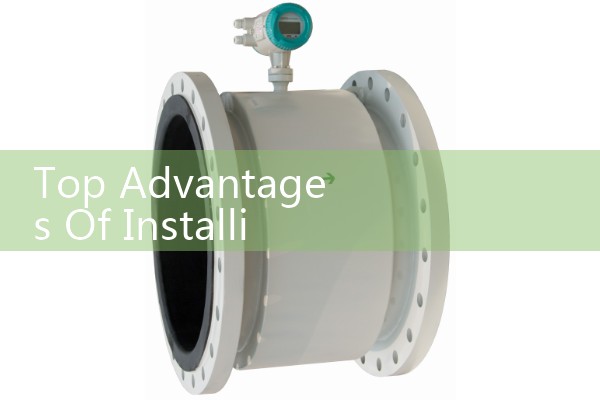
Many water treatment processes reverse flow for backwashing sand filters or CIP cycles. A magnetic flow meter measures flow in both directions without any mechanical change. The converter output can be set to show positive and negative totals. Installation is straightforward. You need only 5 diameters upstream and 2 diameters downstream straight pipe length. You can install it in horizontal or vertical lines, as long as the pipe stays full. The meter is available in compact or remote-mounted versions. For underground chambers, a remote converter with IP68 sensor is standard. We ship pre-calibrated meters from our factory. A water utility in Kenya installed 12 units in their treatment plant, sizes from DN50 to DN500, all fitted within one week by their own crew. No special tools required.
Frequently Asked Questions
What is the minimum conductivity a magnetic flow meter needs?
The fluid must have a minimum conductivity of 5 µS/cm. Most raw water, treated water, wastewater, and chemical solutions exceed this value easily. Deionized water or pure glycol cannot be measured. If your fluid conductivity is below 20 µS/cm, we recommend a calibration with the exact liquid to avoid span shift.
Can I use a magnetic flow meter for sludge or slurry?
Yes. Rubber or polyurethane liners and 316L electrodes handle abrasive sludge well. Keep flow velocity above 1.5 m/s to prevent settling inside the tube. For high-solids lines, a vertical installation with upward flow is best.
Which liner material is safe for drinking water?
Hard rubber (Ebonite) or PTFE liners both comply with NSF/ANSI 61 and WRAS drinking water standards. We always ask for the specific certification requirement in your country before selecting materials. Silver Automation Instruments can supply meters with full material traceability.
What output signals do you offer for SCADA integration?
Our standard converter provides one 4-20 mA HART, a pulse/frequency output, and RS485 Modbus RTU. Additional outputs like Profibus DP or Ethernet/IP are optional. The 4-20 mA signal transmits flow rate, and totalized flow comes via pulse. Two digital outputs can trigger alarms or control valves.
What is the largest magnetic flow meter size you supply?
We manufacture up to DN3000 (120 inches) for water transmission mains. Large meters from DN600 to DN3000 use a field-assembled design for easier transport. We have supplied DN2000 meters for irrigation canals in Australia and DN2400 units for a hydroelectric plant in Chile. Send your pipe schedule and pressure rating for a firm offer.
Get a Quote Specific to Your Water Treatment Process
Send us the following data: fluid name, conductivity (µS/cm), temperature (°C), operating pressure (bar), pipe size (DN), required flow range, and signal output preference. Our application engineers at Silver Automation Instruments will propose a complete meter model with liner and electrode selection, converter specifications, and a price delivered to your site. Visit flow-meter.com.au to submit your requirements or email our sales team directly. Response time is typically under 4 hours during business days.
``` Hot Product
 Related AD