

『Temperature and pressure compensation steam flowmeter』Related information(clamp on meter|electromagnetic meter|venturi meterrotameter|orifice meter|ultrasonic flow meter|mass flow meter|coriolis mass flow meter|coriolis flow meter|magnetic flow meter|magmeter flow meter|magflow flow meter|mag meter flow meter|electromagnetic flow meter|vortex flow meter|turbine flow meter|thermal mass flow meter|thermal flow meter|rotameter flow meter)
How to perform temperature and pressure compensation during steam vortex flowmeter measurement? During the measurement of steam vortex flowmeter, temperature and pressure compensation is mainly carried out to cope with the changes in steam density with temperature and pressure, ensuring accurate measurement. The specific method is as follows: Generally, pressure and temperature sensors are installed on site, and the pressure, temperature, and flow data are uploaded to the flow integrator for calculation, so as to obtain the standard flow rate. Compensation method: Measuring superheated steam: If either temperature or pressure changes, the density of the steam will change, and the mass flow rate will also change accordingly, so temperature and pressure compensation are required simultaneously. Measuring saturated steam: The density of saturated steam is proportional to temperature or pressure, and knowing either one can determine the density of saturated steam. Therefore, single temperature compensation or single pressure compensation is required. Measurement of gas: The volume flow rate of gas changes with temperature or pressure changes, so temperature and pressure compensation are required simultaneously. Attention: When measuring liquids below 5MPa, only temperature effects are generally considered, and temperature compensation is required for accurate measurement; During general measurement, no compensation is required. Measuring some hydrocarbons (such as crude oil) generally requires temperature and pressure compensation simultaneously. 2. Which flow meters require temperature and pressure compensation, and why? Under normal circumstances, the flow meters we refer to measure volumetric flow rates, excep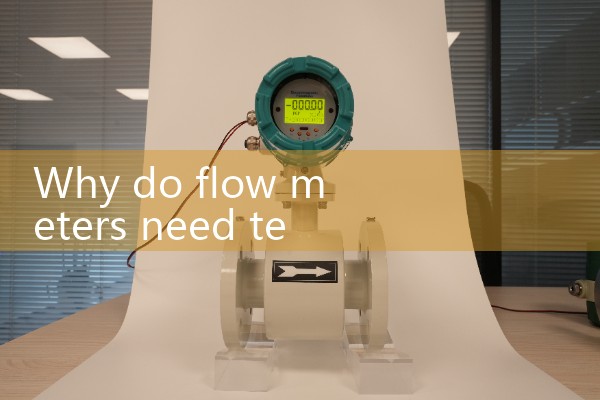
1. When measuring gases, both temperature and pressure must be compensated for simultaneously. Because the volumetric flow rate of gas varies with temperature or pressure, and gases are usually settled based on standard volumetric flow rates
2. When measuring superheated steam, it is also necessary to compensate for both temperature and pressure simultaneously. This is because the mass flow rate of superheated steam changes with temperature or pressure, and these changes directly affect the density of steam. When measuring saturated steam, it is possible to choose to compensate only for temperature or only for pressure. Because there is a fixed correspondence between the density of saturated vapor and temperature or pressure, as long as one of the parameters is known, the density of saturated vapor can be determined. When measuring liquids, pressure compensation is usually not required. When the pressure is below 5MPa, we only need to consider the influence of temperature on the measurement. To ensure the accuracy of the measurement, temperature compensation is required. In general, when measuring liquids, we do not need to use any compensation. However, when measuring some hydrocarbons (such as crude oil), in order to ensure the accuracy of the measurement, it is necessary to compensate for both temperature and pressure simultaneously.
3. How much does a thermal mass flowmeter cost?
4. Precautions for steam flow meters when measuring steam
When measuring steam, targeted measures should be taken according to the type of steam (saturated steam, superheated steam, wet saturate
 Hot Blog
 Related AD