

『Low Temperature Flow Meter: Materials and Design Specs for Cryogenic Fluid Lines』Related information(clamp on meter|electromagnetic meter|venturi meterrotameter|orifice meter|ultrasonic flow meter|mass flow meter|coriolis mass flow meter|coriolis flow meter|magnetic flow meter|magmeter flow meter|magflow flow meter|mag meter flow meter|electromagnetic flow meter|vortex flow meter|turbine flow meter|thermal mass flow meter|thermal flow meter|rotameter flow meter)
Low Temperature Flow Meter: Materials and Design Specs for Cryogenic Fluid Lines
Quick Answer
For cryogenic fluid lines you need a flow meter built with cold-rated materials and special design features to avoid brittle fracture, seal failure, and ice blockage. Silver Automation Instruments supplies Coriolis and vortex meters in 316L stainless steel with PTFE seals that work reliably at temperatures down to -200 degrees C. Tell us your fluid, temperature, pipe size and flow range and we will recommend a meter with the right cold-service certifications.
Why Material Selection Becomes the First Gate for Cryogenic Measurement
At room temperature a standard 304 stainless steel body works fine. Drop the process fluid to -196 degrees C, which is the boiling point of liquid nitrogen, and that same material can turn brittle and crack. Most engineers skip this part because they trust generic 316SS, but cryogenic service demands specific grades. We specify 316L with low carbon content for our cryogenic meters. This grade retains toughness at low temperatures without the risk of intergranular corrosion after welding. The wetted parts also avoid any cast iron or carbon steel. One contact with liquefied natural gas or liquid oxygen and standard elastomer seals will shrink, harden and leak. In practice we have seen this on customer sites many times, especially on old fuel depot upgrades in Southeast Asia.
Core Materials for Meter Bodies and Wetted Parts
The flow meter body for LNG or liquid nitrogen must be 316L stainless steel as a minimum. For the measuring tube in a Coriolis meter we use 316L or sometimes Hastelloy C-22 if the customer handles trace hydrogen sulfide in a mixed refrigerant stream. Internal seals and gaskets cannot be standard NBR or EPDM. We specify PTFE or PCTFE for their cold flexibility and compatibility with oxygen-enriched service. In vortex flow meters the bluff body and sensor head we make from 316L as well, with a PTFE-insulated piezoelectric sensor that does not detach under thermal shock. Some customers ask about Invar for zero-shift stability when temperatures swing from ambient to -170 degrees C. Silver Automation Instruments offers Invar sensor tubes on specific Coriolis models for LNG terminal applications. The electronics housing has a separate specification: aluminium with an epoxy coating and a secondary O-ring seal to stop moisture ingress and frost bridging from the cold pipe to the terminal box.
Design Specifications You Cannot Ignore
A cryogenic flow meter is not just a standard meter with a cold-rated sticker. The meter bore must stay dry. When liquid nitrogen flows through a DN25 line, the outer surface of the meter can drop below the dew point and pull moisture from the air. Ice builds up on the split junction and eventually blocks the sensor access or damages the CPT head. The fix is a thermal break or a vacuum-jacketed connection, plus low-power trace heating on the electronics neck. Our Coriolis meters for LNG bunkering include an integrated PT100 temperature sensor for density compensation. The output is always 4-20 mA HART with temperature and mass flow transmitted together. Most oil and gas terminals require ATEX Zone 1 or Zone 2 certification. We supply the SIL-Cor200 cryogenic series with Ex d IIC T6 approval for Zone 1. For liquid oxygen and hydrogen peroxide lines, we provide a factory certificate of cleaning for oxygen service according
Flow Meter Types We Recommend for Cryogenic Lines
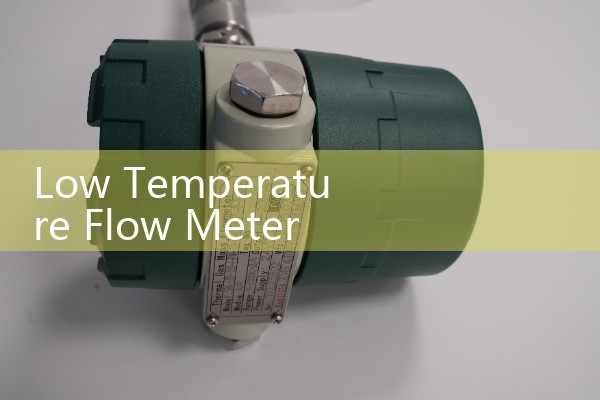
Electromagnetic flow meters do not work here because most cryogenic liquids are not conductive. Liquid nitrogen, liquid oxygen, LNG and liquid argon have conductivity below the threshold needed for magmeter electrodes. Thermal mass flow meters are for gas, not liquid, so they drop out immediately. That leaves Coriolis mass flow meters and vortex flow meters as the two practical choices. A Coriolis meter gives you direct mass flow, density, and temperature from one instrument. No pressure or temperature compensation needed. A paint manufacturer in Vietnam uses our SIL-Cor200 in DN15 to dose liquid nitrogen into a reactor at -185 degrees C. They get a stable mass flow reading of 12.5 kg/h with a repeatability of 0.1 percent. For larger line sizes on truck loading skids we see customers choose vortex flow meters with a cryogenic sensor and remote electronics. A diesel terminal in Malaysia installed our SIL-Vortex-LT in a 3-inch LNG loading arm. The signal was clean because we integrated an in-line flow conditioner and a split-range transmitter that prevents signal drop-out at low flow. Because vortex meters need a minimum Reynolds number, we size them carefully. Send us your minimum and maximum flow rates and we will check the vortex shedding range before quoting.
FAQ
What flow meter types work for liquid nitrogen service?
Coriolis mass flow meters and vortex flow meters with 316L wetted parts and PTFE seals. Silver Automation Instruments stocks the SIL-Cor200 and SIL-Vortex-LT for this exact application.
Can I use a standard industrial flow meter with LNG, just adding trace heating?
No. The material of the measuring tube and seals must be cryogenic-rated. Standard 304 stainless steel and NBR seals will fail at -162 degrees C. You need a meter built for cold service from the start.
How do you stop ice formation on the meter electronics?
We use a thermal break between the meter body and the transmitter, and a drain hole in the neck. On outdoor LNG skids we add a low-wattage heater on the enclosure to keep the display window clear.
What materials are safe for cryogenic oxygen service?
316L stainless steel and PTFE are safe. The meter must also be cleaned and certified for oxygen service to remove all hydrocarbon residues. We provide an ASTM G93 Level C cleaning certificate with all SIL-Cor200 meters ordered for liquid oxygen.
Do I need an explosion-proof flow meter for a cryogenic application?
If the fluid is LNG, liquid ethylene, or other flammable cryogens, yes. Silver Automation Instruments offers ATEX Zone 1 and Zone 2 certifications on cryogenic flow meters up to DN100.
To request a quotation for a low-temperature flow meter, send your fluid name, operating pressure in bar, operating temperature in degrees C, pipe size (DN), and flow range in kg/h or m3/h to [email protected]. You can also call us at +86-135-1213-1526 or message us on WhatsApp 86-135-12131526. Our WeChat is +86 13512131526. We respond with a material compatibility check and a full specification sheet within one working day.
 Hot Blog
 Related AD