

『CIP Flow Meter: Role of sensors in automated clean-in-place processing lines.』Related information(clamp on meter|electromagnetic meter|venturi meterrotameter|orifice meter|ultrasonic flow meter|mass flow meter|coriolis mass flow meter|coriolis flow meter|magnetic flow meter|magmeter flow meter|magflow flow meter|mag meter flow meter|electromagnetic flow meter|vortex flow meter|turbine flow meter|thermal mass flow meter|thermal flow meter|rotameter flow meter)
CIP Flow Meter: Role of Sensors in Automated Clean-in-Place Processing Lines
Quick Answer: CIP flow meters measure the flow rate, temperature, and sometimes conductivity of cleaning solutions as they circulate through closed pipes. Electromagnetic and Coriolis flow meters are the first choice for most CIP skids because they have no moving parts, handle aggressive chemicals at 85-95 °C, and deliver repeatable data to validate cleaning cycles. A reliable CIP sensor set reduces water, chemical, and energy use by 20-30% while ensuring audit-ready batch records.
Silver Automation Instruments supplies flow meters and sensors used in automated CIP systems for dairies, breweries, pharmaceutical plants, and soft drink bottling lines. Our engineers work with system integrators in Thailand, Vietnam, Mexico, Nigeria, and Saudi Arabia who build CIP skids from 5 m³/h to 120 m³/h. The goal is always the same. You need to prove that every pipe, tank, and filler was cleaned at the right flow, temperature, and chemical concentration. Sensors make that proof possible.
In a typical CIP sequence, the sensor chain starts with a flow meter on the supply line. Electromagnetic flow meters dominate here. They tolerate caustic soda at 2-4%, nitric acid at 1-2%, and temperatures up to 110 °C. A DN25 or DN40 magmeter with PTFE liner and Hastelloy electrodes gives you 0.5% accuracy and zero pressure drop. No moving parts means no wear from chemical attack. We see this configuration in almost every dairy CIP skid from Indonesia to Colombia. The flow signal, usually 4-20 mA HART or pulse, goes to the PLC. The PLC checks if the flow stays within the validated range, often 1.5 m/s to 3 m/s inside the pipe. If the flow drops below the setpoint, the cleaning step fails and the cycle repeats.
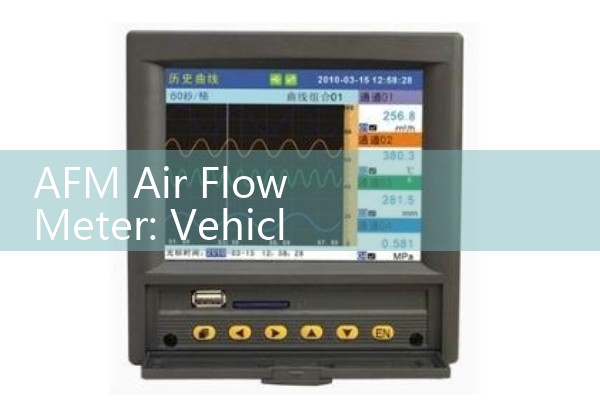
Temperature sensors are just as important. A PT100 RTD inserted into the return line monitors the final rinse temperature. Most food safety standards demand 85 °C for 15 minutes during the hot disinfection phase. If the temperature drops even 2 °C, the cycle is incomplete. We recommend a tri-clamp PT100 with 4-20 mA transmitter, connected directly to the CIP controller. In practice, many operators combine the flow meter and temperature sensor into one data point on the chart recorder or paperless recorder. Silver Instruments 8-channel paperless recorders display real-time flow, temperature, conductivity, and tank level on one screen. They store 2 GB of data on an SD card. For a juice plant in Australia, this made HACCP audits 50% faster because the inspector could review the complete CIP history without chasing scattered logbooks.
Conductivity sensors bring the third critical measurement. After caustic cleaning, you flush with water. A conductivity probe on the return pipe watches for a drop from 50 mS/cm down to below 0.5 mS/cm. That tells you the chemical is fully rinsed. If you stop too early, residual caustic contaminates the next batch. If you over-rinse, you waste 200 litres of water per cycle. A pasteurizer line we serviced in Kenya cut water use by 28% after adding a simple toroidal conductivity sensor with a 200 µS/cm alarm threshold. The sensor cost was recovered in three months from water and wastewater savings alone.
Sometimes a Coriolis mass flow meter replaces the magmeter, especially in
In hazardous areas, for example a solvent recovery CIP loop in a chemical plant, you need ATEX Zone 1 or IECEx certification. Silver Instruments supplies Ex d electromagnetic flow meters and Ex ia temperature transmitters that meet these requirements. We also provide calibration certificates traceable to NIST for every sensor.This matters when your customer is a pharmaceutical company following 21 CFR Part 11 for electronic records.
Most engineers skip one detail. The flow meter must be installed with enough straight pipe upstream and downstream. For a magmeter on a CIP return line, 5DN upstream and 3DN downstream is enough. But if you place the meter right after a spray ball pump elbow, air bubbles and turbulence ruin the reading. We have seen this on customer sites many times. A brewery in Mexico replaced their elbow-mounted meter with a straight-run section and immediately got stable flow rates. The CIP validation passed on the first attempt.
To select the right CIP flow meter and sensors, send us your pipe size (DN), flow range (m³/h), cleaning solution type, temperature range, and any hazardous area requirement. We reply within one business day with a datasheet, price, and shipping time to your location. Typical lead times are 7-14 days for standard models.
Email: [email protected]
Tel: +86-135-1213-1526
Whatsapp: 86-135-12131526
WeChat: +86 13512131526
Web: https://flow-meter.com.au
FAQ
Which flow meter is best for CIP caustic recovery lines?
Electromagnetic flow meters with PTFE liners and Hastelloy electrodes handle 2-4% caustic at 85 °C without corrosion. Sizes from DN15 to DN100 cover most recovery flows.
Can a Coriolis meter replace a magmeter and conductivity sensor?
Partially. A Coriolis meter gives mass flow and density which correlates to chemical concentration, but it cannot measure ionic conductivity directly. You still need a separate conductivity probe for rinse verification.
Why does my CIP flow meter give unstable readings?
Usually air entrainment or insufficient straight pipe. Bleed the line properly and ensure at least 5DN straight upstream. If the problem persists, check the grounding ring or electrode coating.
What temperature rating do CIP sensors need?
Standard CIP sensors handle up to 110 °C. For steam sterilization (SIP), specify sensors rated for 150 °C. Confirm the process connection type as tri-clamp or DIN 11851.
Do you offer flow meters with 3-A sanitary approval?
Yes, Silver Instruments supplies electromagnetic and Coriolis flow meters with 3-A and EHEDG certifications. Request the certificate when ordering for dairy or pharmaceutical use.
 Hot Blog
 Related AD