

『How Electromagnetic Flow Meter Works: Industrial Slurry Pipeline Sizing Solutions』Related information(clamp on meter|electromagnetic meter|venturi meterrotameter|orifice meter|ultrasonic flow meter|mass flow meter|coriolis mass flow meter|coriolis flow meter|magnetic flow meter|magmeter flow meter|magflow flow meter|mag meter flow meter|electromagnetic flow meter|vortex flow meter|turbine flow meter|thermal mass flow meter|thermal flow meter|rotameter flow meter)
How Electromagnetic Flow Meter Works: Industrial Slurry Pipeline Sizing Solutions
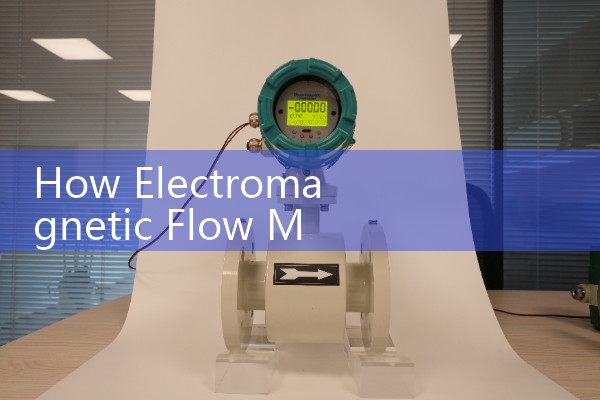
Electromagnetic flow meters measure the volumetric flow of conductive liquids by detecting voltage generated in a magnetic field. For industrial slurry pipelines, the pipe size and the meter size must match the flow velocity needed to keep solids moving. Most slurry applications work well between 1.5 m/s and 3 m/s. Silver Instruments supplies electromagnetic flow meters from DN15 to DN2000 for slurries in mining, water, and chemical plants.
How an Electromagnetic Flow Meter Works
Faraday law of induction is the basic principle. A magnetic field is generated by coils inside the meter. Conductive liquid flows through the measuring tube at a right angle to the magnetic field. This movement creates a voltage. Two electrodes on the tube wall pick up that voltage. The voltage is directly proportional to average flow velocity. The transmitter converts the voltage into flow rate in m3/h or L/s.
The liquid must be conductive. Most water based slurries have enough conductivity. A minimum value of 5 µS/cm is common for Silver Instruments electromagnetic flow meters. Oil based slurries and pure hydrocarbons do not work. The meter has no moving parts and no pressure drop from an obstruction. That is a real advantage in slurry service because solids can damage turbines or gears.
Slurry Pipeline Sizing Basics
Slurry pipe sizing is not the same as clean water pipe sizing. You need enough velocity to keep solids suspended. If the velocity is too low, particles settle on the bottom of the pipe. If the velocity is too high, abrasive wear on the liner and electrodes increases fast. A common design range is 1.5 m/s to 3 m/s for fine particles. For coarse mining slurry with particles above 0.5 mm, many engineers keep velocity between 2 m/s and 3.5 m/s.
Here is the thing. We have seen on customer sites many times that the pipe size was selected for cost only. A smaller pipe reduces material cost but raises velocity. A larger pipe lowers velocity but allows settling. The electromagnetic flow meter does not care about the pipe diameter directly. It cares about the flow velocity through its measuring tube. That is why you size the meter together with the pipeline.
Pipe Diameter and Flow Rate Calculation
Q in m3/h = 0.0028274 x v in m/s x DN in mm squared. This is a quick field formula. For a DN150 pipe at 2 m/s, flow is about 127 m3/h. For a DN200 pipe at 2.2 m/s, flow is about 249 m3/h. Most engineers skip this part. They send us the flow range and we do the sizing in one hour.
Do not size a slurry line below 1 m/s unless the solids are very fine and the pipe is flushed often. Do not go above 5 m/s in abrasive service unless you have a ceramic or tungsten carbide lined meter. For Silver Instruments electromagnetic flow meters, the standard velocity limit is 15 m/s for continuous flow. But slurry wear limits are lower in practice.
Liner and Electrode Selection
Slurry abrasion determines the liner. Soft rubber liners are common for fine particles and low temperature. Polyurethane liners handle larger particles and higher wear. PTFE liners are used when chemical resistance matters more than abrasion. For example a kaolin slurry in Brazil with 20 percent solids works well with a polyurethane liner. A lime slurry in South Africa with high pH needs a PTFE liner.
Electrode material also matters. 316L stainless steel works for clean water and mild slurries. Hastelloy C resists acid and chloride corrosion. Tantalum electrodes suit strong acids. Titanium electrodes suit seawater and brine. For abrasive mining slurry, Silver Instruments often supplies tungsten carbide or ceramic coated electrodes. The transmitter housing can be compact or remote. A remote version helps when the meter is installed in a pit or in direct sunlight.
We have supplied a DN250 electromagnetic flow meter with polyurethane liner and Hastelloy electrodes to a copper mine in Indonesia. The slurry was 25 percent solids and velocity was kept at 2.2 m/s. After 18 months the liner showed nor
Output and Integration
Silver Instruments electromagnetic flow meters provide a 4-20 mA HART output as standard. Options include Modbus RTU, Profibus DP, and pulse output. This makes direct connection to PLC and SCADA systems simple. The meter also has a local display showing flow rate, total flow, and diagnostic codes. For remote sites, battery powered versions are available for temporary flow surveys in slurry lines.
Pressure rating is important for slurry pipelines. Standard flanges are PN16 and PN40. Higher ratings up to PN100 are optional. Maximum process temperature for standard rubber liner is 80 C. Polyurethane liner goes to 60 C. PTFE liner can work up to 120 C. Check your slurry temperature before you order. A customer in Vietnam asked us last year for a paper stock meter at 70 C. We supplied a remote transmitter with PTFE liner and Hastelloy electrodes. The pipe size was DN200 and flow was 180 m3/h.
Installation Notes for Slurry Service
Install the meter in a vertical or inclined pipe if possible. This stops solids from settling on the electrodes when the pump is off. Do not install the meter at the lowest point of a slurry line. If horizontal installation is the only option, keep the electrodes in the horizontal plane or at a 45 degree angle. The meter tube must stay full at all times. Air bubbles cause measurement errors.
Straight run requirements are simple. Use at least 5 diameters upstream and 2 diameters downstream. For slurry lines with bends or pumps close by, use a flow straightener or increase upstream straight run to 10 diameters. The electromagnetic flow meter is bidirectional. This can help in slurry lines that are flushed in reverse.
Frequently Asked Questions
Can an electromagnetic flow meter measure every slurry?
No. The liquid phase must be conductive, usually more than 5 µS/cm. Water based slurries, mineral slurries, and wastewater sludges are fine. Oil based or solvent based slurries will not produce a reliable signal.
What is the best flow velocity for a slurry pipeline?
Most slurry applications use 1.5 m/s to 3 m/s. For coarse particles above 0.5 mm, keep velocity above 2 m/s. Avoid velocities above 5 m/s in abrasive conditions unless the liner and electrodes are rated for high wear.
How do I select the liner material?
Match the liner to the solids size, chemical nature, and temperature. Polyurethane is best for abrasive mineral slurries. Soft rubber is budget friendly for fine particles. PTFE is for high temperature or aggressive chemicals. Tell us your slurry composition and we will recommend the right liner.
Does pipe size affect meter accuracy?
Yes. If the pipe is too large, the velocity may be too low and the signal becomes weak. If the pipe is too small, the velocity goes too high and wear becomes a problem. We recommend selecting a meter diameter that keeps normal flow between 0.5 m/s and 5 m/s. In slurry service, keep it between 1.5 m/s and 3 m/s.
Can this meter handle high solid content like 50 percent?
Yes, within limits. Higher solid content increases density and viscosity effects. The electromagnetic meter measures volumetric flow only, not mass flow. You need a density input or a mass flow meter if you need mass flow. Send us the solid percentage and particle size to confirm.
Get a Slurry Flow Meter Quote
Do not guess the pipe size or meter size. Send us your pressure in bar, temperature in degrees C, pipe size in DN, and flow range. Also include the slurry type and solid percentage. We will reply with a sized electromagnetic flow meter and liner recommendation. Tel: +86-25-68650347. Whatsapp: +86-25-52155837. WeChat: +86 15365082610. Silver Automation Instruments supplies electromagnetic flow meters to mining, water, chemical, and food plants in Southeast Asia, Australia, Latin America, Africa, and the Middle East.
 Hot Blog
 Related AD