

『High-Viscosity Lubrication Monitoring Using a Precision Gear Flow Meter』Related information(clamp on meter|electromagnetic meter|venturi meterrotameter|orifice meter|ultrasonic flow meter|mass flow meter|coriolis mass flow meter|coriolis flow meter|magnetic flow meter|magmeter flow meter|magflow flow meter|mag meter flow meter|electromagnetic flow meter|vortex flow meter|turbine flow meter|thermal mass flow meter|thermal flow meter|rotameter flow meter)
High-Viscosity Lubrication Monitoring Using a Precision Gear Flow Meter
Quick Answer: A precision gear flow meter, also called an oval gear meter, measures high-viscosity lubrication oils with excellent repeatability and negligible influence from viscosity changes. It is the first choice when you need to track heavy oil, gear oil, or grease consumption in pumps, bearings, or engines. For most industrial lube systems, an oval gear meter gives you direct volumetric flow data without complex compensation curves.
Why Viscosity Matters in Lubrication Monitoring
Lubrication oils rarely behave like water. A typical ISO VG 220 gear oil is thick and sticky. Turbine oils, compressor oils, and cylinder oils can range from 68 cSt to over 1000 cSt at 40 °C. When you try to measure these fluids with a turbine meter or an electromagnetic flow meter, you hit a wall. Those devices rely on fluid conductivity or a certain velocity profile. High viscosity throws off the reading, often by 20 % or more.
Here is the thing. Viscosity is not a constant either. It changes with temperature. In a cold start, oil at 15 °C might be five times thicker than at operating temperature. A flow meter that needs a viscosity correction chart becomes a maintenance headache. Most engineers skip that part and look for a positive displacement solution.
In practice, a precision gear flow meter solves the problem from the start. Because it captures the fluid in fixed-volume pockets and moves it from inlet to outlet, the output per pulse stays virtually the same whether the oil is thin or thick. This is why you see oval gear meters in so many lubrification panels across Southeast Asian palm oil mills, Middle Eastern cement plants, and African mining fleets.
How a Precision Gear Flow Meter Works with High-Viscosity Fluids
Inside a typical oval gear meter, two precision-cut oval-shaped rotors mesh and rotate. One revolution displaces a known volume. Shaft rotation is picked up by a non-contact sensor, often a reed switch or a Hall-effect sensor. For high-viscosity applications, clearances between the rotors and the chamber wall are designed to be extremely small. This reduces the slip flow that sneaks past without being measured. At viscosities above 50 cSt, slip becomes almost zero, and accuracy can reach ±0.5 % of reading or better.
We have recorded repeatability of 0.1 % or better on a 20W-50 engine oil loop in our test rig. A customer in Vietnam tested a Silver Instruments OGM series oval gear meter on hydraulic oil ISO VG 46 and on a much heavier gear oil ISO VG 320. The deviation between the two fluids was less than 0.2 %, which is invisible to most SCADA systems.
Typical specifications for such a meter include flow ranges from 0.5 L/min up to 100 L/min, process connections from DN10 to DN50, and temperature tolerance up to 150 °C with a PT100 built in. A 4-20 mA HART output sends real-time flow and totalized consumption to a PLC or a paperless recorder. Because the output is a clean square wave pulse, you can also wire it to a simple counter for local display.
Real-World Applications in Lubrication Monitoring
Picture a 30 MW diesel power plant in the Philippines. You need to measure the lube oil flow feeding the main bearings. The pipe is DN25, oil temperature around 45 °C, and viscosity about 150 cSt. A turbine meter barely turns. A Coriolis meter would work but costs ten times more and is overkill. A precision oval gear meter with PTFE gears and an aluminum body fits perfectly. The plant engineer sees flow rate in kg/h on a display and gets a totalized consumption report every shift. This is not theory. We ship this exact setup to customers at least twice a month.
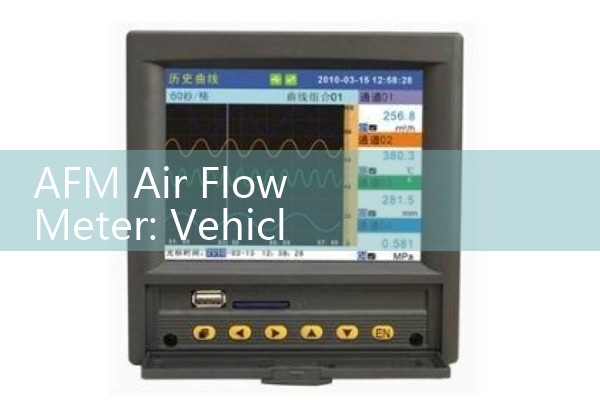
Another common case is marine engine cylinder oil dosing systems. A shipyard in Turkey needs to monitor the lubricator supply on a Wärtsilä two-stroke engine. They use an OGM series meter with a DN8 connection, rated for 20 cSt to 2000 cSt range, and a maximum pressure of 40 bar. The total consumption is recorded on a Silver Instruments paperless recorder, with data backup to a USB stick. Because the meter body is s
In an injection molding factory in Mexico, a lubrication skid supplies grease-like lubricant with a viscosity above 10,000 cP. A standard paddlewheel meter fails after two days. The oval gear meter with a heating jacket and special high-viscosity rotor pairs handles it. The key is to keep the fluid above 60 °C to maintain pumpable thickness. We have seen this on customer sites many times. That is why we now offer a jacket version with integrated PT100 and external heater control.
Installation Tips for High-Viscosity Fluid Measurement
Install the meter so that it stays full of liquid at all times. Vertical upward flow is often preferred because it traps solid particles at the bottom of the line before the meter. Use a Y-strainer with 60 mesh or finer just upstream. High-viscosity fluids tend to carry wear particles that can damage the rotors over time.
Air bubbles are the enemy. They register as volume and distort your reading. For heavy oil systems, a small air release valve or a continuous vent works wonders. In cold climates, heat tracing is mandatory. Because most oval gear meters are rated for a certain viscosity range at a given temperature, check the pressure drop curve. If the pressure loss exceeds 0.5 bar, consider a larger meter size or reduce flow velocity.
A common mistake is to forget the signal cable shielding. The sensor provides a frequency output. In a plant with VFD drives, electromagnetic noise can cause false counts. Use a shielded cable, ground it at the PLC cabinet only, and keep it away from motor cables.
Why Choose Silver Automation Instruments?
Silver Automation Instruments supplies oval gear flow meters with materials from aluminum to full stainless steel 316. We ship to over 50 countries, with local agents in Indonesia, UAE, and Chile. Our sales team responds within 24 hours to technical questions. We understand that a 10-person maintenance workshop in Peru needs a simple, rugged meter, not a laboratory instrument. So we focus on practical designs and clear instruction manuals.
If you monitor high-viscosity lubrication, send us your pipe size (DN), oil type and viscosity at operating temperature, flow rate range (L/min or kg/h), and process temperature. We will recommend the right OGM model and send a quote the same day.
Frequently Asked Questions
What is the maximum viscosity that an oval gear flow meter can handle?
Our standard OGM series meters handle up to 100,000 cP with special rotor clearances. For extreme greases, we offer a high-viscosity version rated beyond 200,000 cP, provided the fluid can still be pumped.
Can precision gear flow meters measure both flow rate and total consumption?
Yes. The pulse output allows a flow transmitter or PLC to compute instantaneous flow rate (L/min) and totalized flow (liters). Many customers use a batch controller for automatic lubrication cycles.
Do I need straight pipe runs for the oval gear meter?
No straight pipe runs are required. Unlike turbine or vortex meters, gear meters are immune to swirl or asymmetric velocity profiles. A simple in-line installation works.
How do I prevent air bubbles in high-viscosity lines?
Install the meter with an upward flow path and if possible, place an air release valve just upstream. Avoid pump suction conditions that can draw air. A small bypass can also help during startup to flush air out.
What output signals are available for remote monitoring?
The standard output is a reed switch pulse (NPN). Optional outputs include Hall effect sensor, 4-20 mA HART, or RS485 Modbus. You can also request an Exd version for ATEX Zone 1 areas.
For a quick quote or more details, email us at [email protected] or call us at +86-25-68650347. You can also reach us via Whatsapp: +86-25-52155837 or WeChat: +86 15365082610. Tell us your operating pressure (bar), fluid temperature (°C), pipe size (DN), and required flow range. We will get back to you within one business day.
 Hot Blog
 Related AD