

『Dwyer Instruments Flow Meter: Industrial Flow Monitoring Tools』Related information(clamp on meter|electromagnetic meter|venturi meterrotameter|orifice meter|ultrasonic flow meter|mass flow meter|coriolis mass flow meter|coriolis flow meter|magnetic flow meter|magmeter flow meter|magflow flow meter|mag meter flow meter|electromagnetic flow meter|vortex flow meter|turbine flow meter|thermal mass flow meter|thermal flow meter|rotameter flow meter)
Dwyer Instruments Flow Meter: Industrial Flow Monitoring Tools
Quick Answer
Dwyer flow meters cover a wide range of air, gas, and liquid monitoring tasks. For water, fuel, chemicals, and steam, many engineers compare Dwyer with other industrial-grade suppliers before making a final decision. Silver Automation Instruments offers Coriolis, electromagnetic, ultrasonic, vortex, and thermal mass flow meters built for the same applications in Southeast Asia, Oceania, Latin America, Africa, and the Middle East. Tell us your pipe size, fluid, temperature, and flow range, and we will suggest a direct alternative or a better fit.
What Makes Dwyer Instruments a Familiar Name in Flow Monitoring
Dwyer Instruments has been in the industrial instrumentation business for decades. Their flow products range from simple variable area (rotameter) devices to inline paddlewheel sensors and thermal dispersion switches. You will find them in HVAC systems, light process control, water treatment skids, and compressed air lines. Many small and mid-size plants in Australia or Chile started with a Dwyer RMB series or a Series 641 air flow transmitter because the price point is accessible and the local distributor stocks them.
The typical Dwyer line includes plastic and brass body rotameters, differential pressure transmitters that double as flow elements, and insertion thermal mass flow meters for duct air measurement. These tools serve maintenance technicians and system integrators who need a reading now, not a complex calibration procedure. But here is the thing: when your process grows, or when you export a skid to a country with different certification rules, that familiar Dwyer part number may not keep up.
Where Dwyer Flow Meters Excel and Where They Hit Limits
For clean water, low pressure compressed air, and ambient temperature gases, a Dwyer flow monitor does the job. A typical RM Series rotameter with a valve gives direct reading without power. The Series 641 uses a thermal anemometer element and outputs 4‑20 mA. Engineers in Thailand and Indonesia often install these on small reverse osmosis units or boiler feedwater lines. The limit shows up when you move into hazardous areas, high temperature fluids, conductive liquids with solids, or custody transfer measurement.
Take a biogas project in the Philippines. The gas is wet and dirty, pipe size is DN100, and the customer needs ATEX Zone 1 certification. A standard Dwyer air flow meter fails here. The customer called us and replaced it with a Silver Automation Instruments vortex flow meter with integrated PT100 temperature compensation and 4‑20 mA HART output, calibrated for 60% CH₄ content at 80°C. That meter has been running for two years without drift.
Another example: a paint manufacturer in the Middle East wanted to measure solvent flow at 2 cP viscosity. They tried a paddlewheel meter first, but the low viscosity caused slippage. A Coriolis mass flow meter from us, DN15, with 316L wetted parts and ±0.2% accuracy, solved the problem. The output went directly into their batching PLC via Modbus RTU.
Alternative Industrial Flow Meters for Demanding Applications
The Dwyer catalog does not include Coriolis mass flow meters or large line size electromagnetic flow meters with field‑replaceable electrodes. For many of our customers in the oil and gas, chemical, food and beverage, and marine sectors, this gap matters. We ship to Nigeria, Peru, and Vietnam every month. Repeat inquiries often ask for magmeters rated IP68 for borehole water, saddle‑mount ultrasonic meters for retrofitting without cutting pipes, and oval gear meters for diesel and heavy fuel oil.
When you compare our AMF‑E electromagnetic flow meter to a Dwyer Series IEF Insertion Magmeter, notice the liner options. We supply PTFE liner for acids and aggressive chemicals up to 150°C, while Dwyer’s insertion meters are typically limited to lower temperatures and pressures. Our meter comes with RS485/Modbus as standard, plus 4‑20 mA and pulse output. For a water treatment plant in Ghana treating 800 m³/h, we supplied a DN400 AMF‑E meter with hard rubber liner and Hastelloy C electrodes. The total landed cost, including freight and duty, was 30% less than the equivalent from their previous supplier.
In the marine indu
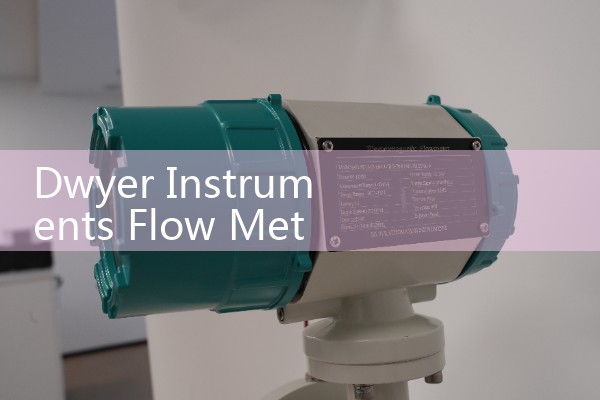
Industrial Flow Monitoring Tools That Match Your Site Reality
Flow monitoring is not only about the meter. It is about the entire toolchain: the meter body, the transmitter, the local indicator, and the output that talks to your SCADA or energy management system. Silver Automation Instruments supplies complete loops. A typical project for compressed air monitoring in a Mexican automotive plant included ten insertion thermal mass flow meters, one 12‑channel paperless recorder with USB export, and Modbus TCP gateway. The air flow range was 50 to 500 Nm³/h per line, pipe size DN50 to DN80, pressure 7 bar.
Dwyer offers similar building blocks, but our customers often prefer our flexible configuration. You can order a thermal mass flow meter with a remote display, bi‑directional measurement, and an integrated PT1000 sensor for temperature readout on the same 4‑20 mA loop. We also offer a compact model for DN15 to DN25 lines that fits in tight panels, common in food and beverage CIP (clean‑in‑place) skids where space is limited.
Specific Parameters to Send Us for a Fast Quotation
Most engineers skip this part, but it makes a real difference. Instead of a generic request, send us your process data and we will return a specific model number and price within one business day. Here is what we need:
Fluid type and name, viscosity in cP if known, conductivity in µS/cm for magmeters. Pipe size and schedule (DN50, SCH40, etc.). Flow range: normal, minimum, and maximum in kg/h, m³/h, or L/min. Fluid temperature and pressure. Output preference: 4‑20 mA HART, RS485 Modbus, or pulse. Hazardous area classification: safe area, ATEX Zone 1, or Class I Div 2. Wetted material constraints: 316L, PTFE, Hastelloy C, or food‑grade. Process connection: flanged (ANSI, JIS, EN), tri‑clamp, or threaded.
We have seen on customer sites many times how missing one parameter causes a misapplication. A dairy plant in Malaysia ordered a flow meter for whey, but did not mention CIP temperature of 135°C. The standard EPDM gasket failed after three months. With the correct data, we supplied a meter with FFKM seals and it is still in service.
FAQ
Can Silver Automation Instruments supply a direct drop‑in replacement for a Dwyer rotameter?
Yes, for many VA flow meters in plastic or brass bodies, we have DN10 to DN50 variable area meters with valves and analogue output. Send us the Dwyer part number and process conditions for a cross‑reference.
Do your meters carry certifications like CE, ATEX, or SIL?
Our products carry CE and a wide range of Ex certifications: ATEX, IECEx, and North American Class I Div 1/2. SIL 2 certification is available for Coriolis and some vortex meters. Mention the certification requirement when you ask for a quotation.
What output protocols can I get with your flow meters?
Standard outputs include 4‑20 mA HART, RS485 with Modbus RTU, and pulse. Optional: Foundation Fieldbus and Profibus PA. Most models allow you to select the required outputs on the order code.
We are a system integrator in Brazil. Do you offer private labelling or OEM service?
Yes. Many integrators order Silver Instruments flow meters with their own brand logo and manual. We support mid‑size volume OEM orders with custom display language and configuration. Contact us for details.
What is your typical lead time for industrial flow meters?
Standard models ship in 5 to 10 working days. Custom ranges, Ex certification, and special wetted materials typically require 3 to 4 weeks. We use DHL, FedEx, and sea freight based on your preference.
Reach Silver Automation Instruments directly: Email [email protected], Tel +86-25-68650347, Whatsapp +86-25-52155837, WeChat +86 15365082610. Tell us about your Dwyer meter and we will help you find the right industrial flow monitoring tools, whether for air, water, chemicals, or fuel.
 Hot Blog
 Related AD